How to Prepare Your Yard for Hydro seeding: A Step-by-Step Guide for Central Texas Homeowners

A healthy green lawn begins long before grass seeds start to grow. If you plan a lawn installation, understanding how to prepare for hydro seeding can make a big difference in the final outcome. Proper preparation lets seeds touch the soil well, get moisture and grow strong roots. For homeowners in Central Texas, soil type, hot temperatures and changing rainfall patterns make this step more important. Whether you lay grass in a new yard or improve an old landscape taking time to ready the ground can lead to better coverage, healthier growth and a nicer lawn.
Why Proper Yard Preparation Matters before Hydro seeding
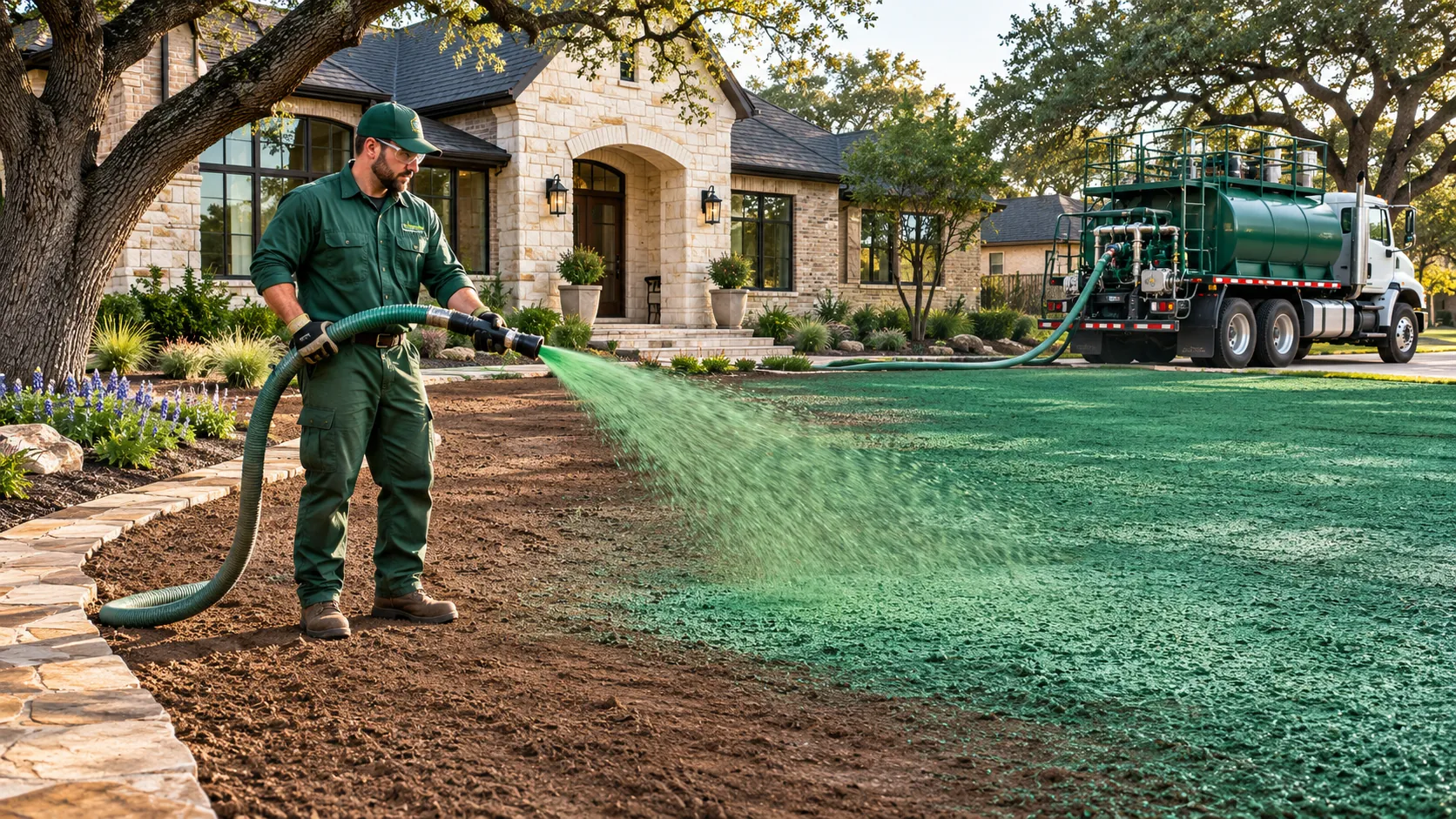
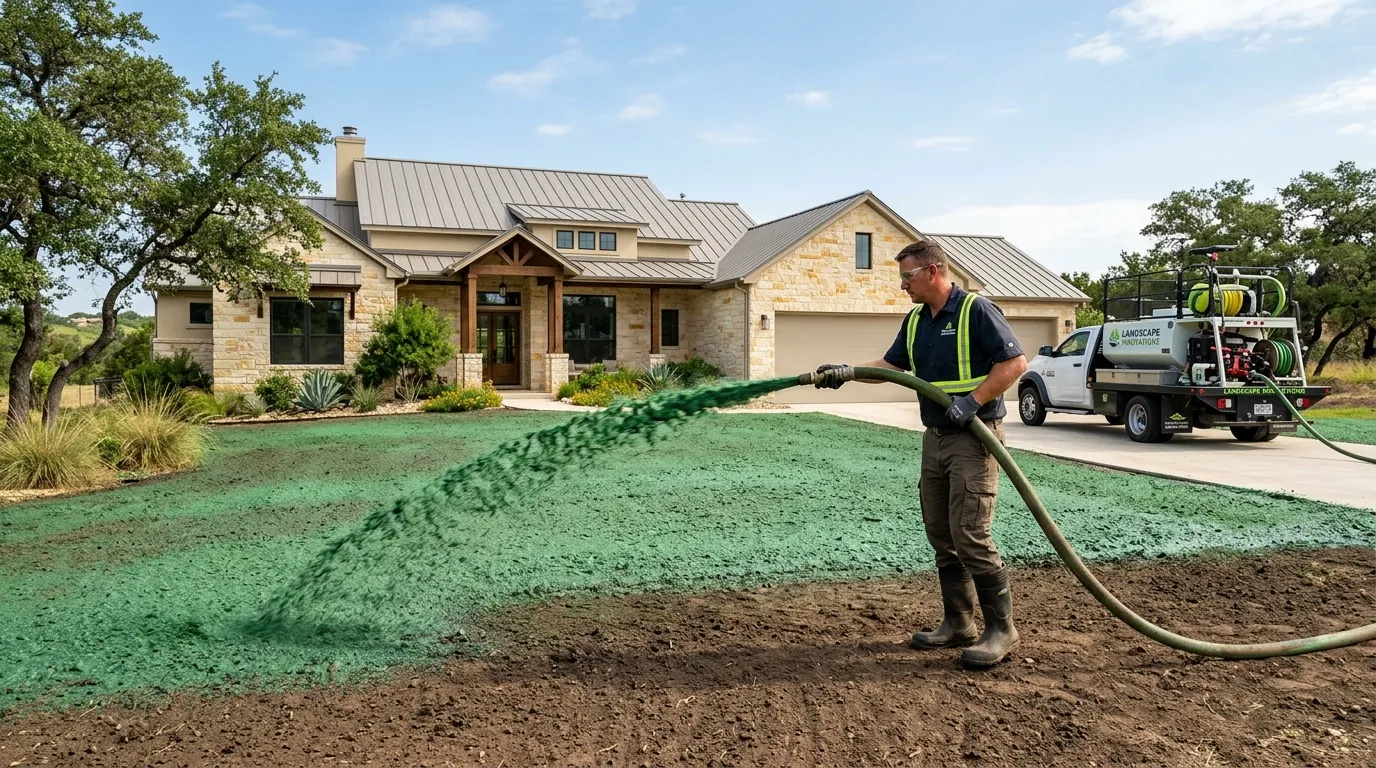
Hydro seeding means spraying a mix of grass seed, water, mulch and other materials over soil. Even though the spray takes a short time the ground must be ready to let seeds germinate successfully.
Bad preparation can cause problems. If the ground is uneven water will collect in spots. Compacted soil can make it hard for new roots to grow. Existing weeds and unwanted grass may also fight with planted seeds for sunlight, moisture and nutrients.
Good yard preparation creates a surface where hydro seeding mixture can spread evenly and stay put. It also improves contact between seed and soil which’s essential for germination.
For Central Texas properties preparation must consider soil conditions. Some places have clay soil that drains slowly while others have sandy or rocky ground. Knowing these conditions lets homeowners make the changes before scheduling hydro seeding.
Clear Existing Grass, Weeds and Debris
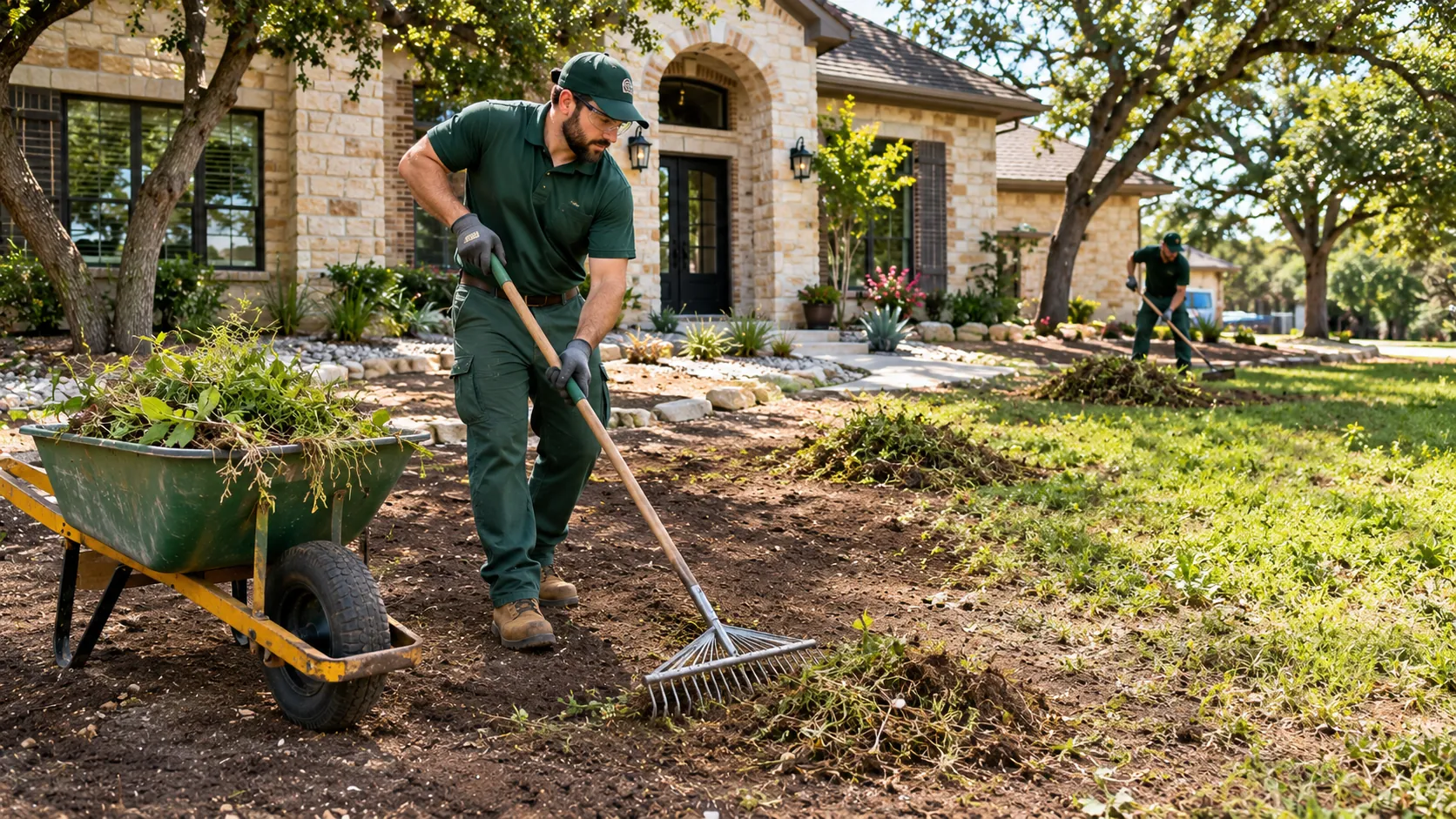
The first step in preparing your yard is to remove plants and debris. Existing weeds, grass, thick vegetation and leftover landscaping materials can interfere with hydro seeding.
Begin by inspecting the lawn and finding areas that need work. Remove weeds, unwanted plants, fallen branches, leaves, rocks and other debris. If you are replacing a lawn the old grass may need to be removed with suitable mechanical or professional methods.
It is also important to tackle weeds before applying hydro seed. Some weeds grow quickly. Can compete with new grass seedlings. Depending on the situation removal may involve pulling by hand mechanical clearing or a proper treatment followed by a recommended waiting period.
Avoid leaving layers of dead grass or loose organic material on the soil. These layers can stop seeds from touching the ground. After clearing the area, rake the surface to remove debris and prepare it for grading. The next steps are easy when the surface is clean. Supports a more even application.
Grade and Level the Soil for Even Coverage
After you clear the yard the next step is leveling the soil. Proper grading makes the surface more even. Helps control how water moves across the property.
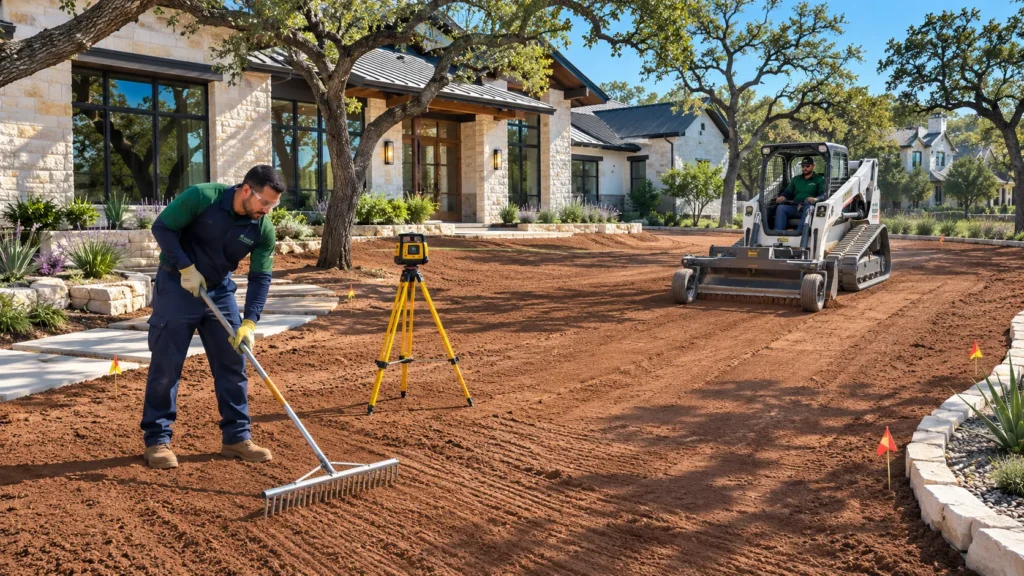
Start from identifying the area such as deep holes, raised sections and low spots where water is collected. Fill depressions with suitable soil and take away all the extra material from high spots. Use a landscape rake to spread soil in an even manner.
Pay attention to all the drainage of your space. The ground should usually slope away from the foundation to keep water balanced from collecting near the building. Avoid making areas that send runoff towards the properties.
On properties or yards with big elevation changes professional grading may be necessary. Experts can go for the equipment to set up consistent slopes and ready the surface for hydro seeding.
Once the grading is finished, lightly firm the soil but never make it compact. The goal is to create an even surface that let hydroseeding mixture spread in an even manner while supporting root development.
- Improve Soil Quality Before Applying Hydroseed
- Address Compacted Soil
- Add Topsoil or Amendments When Needed
What to Do Immediately Before the Hydroseeding Application
After the main preparation work is finished do an inspection before the hydroseeding crew arrives. Small adjustments at this stage can help avoid problems during application. Start by checking the yard for remaining weeds, rocks, branches and loose debris. Make sure the soil surface is reasonably smooth and that grading lets water drain from structures.
If the soil is very dry follow the contractors advice about pre‑watering. Some conditions may benefit from moisture before application but the ground should not be saturated or muddy. You should also prepare the surrounding property.
Keep pets and children away from the work zone so the crew can use equipment safely. If the property has irrigation systems, sprinkler heads, underground utilities or drainage features identify them before work starts.
Finally confirm the grass seed selection, application schedule, watering instructions and expected maintenance needs, with the contractor. Knowing these details will help you care for the lawn properly after the hydroseeding mixture is applied.
Common Yard Preparation Mistakes That Can Affect Grass Growth
A good hydroseeding mix can have trouble if the yard is not prepared properly. Avoiding mistakes can help homeowners get more consistent grass coverage. Skipping weed removal: Existing weeds can compete with grass for sunlight, nutrients and water.
Clear unwanted vegetation before application. Ignoring drainage problems: Poor grading can cause standing water, seed movement and uneven growth. Correct drainage issues before hydroseeding.
- Leaving compacted soil untreated: Hard soil can restrict root development. Reduce water absorption. Assess the ground. Loosen compacted areas when necessary.
- Adding much fertilizer: Applying unnecessary nutrients can damage seedlings or create imbalanced soil conditions Use soil test results and professional recommendations.
- Ignoring soil conditions: Central Texas yards may contain clay, sandy soil or rocky ground. Preparation should match the property’s conditions.
- Rushing the preparation process: Applying hydroseed before clearing, grading and soil improvement are complete can affect the results. Give each preparation stage attention.
- Forgetting application care: Even properly prepared soil needs consistent watering and appropriate maintenance after hydroseeding.
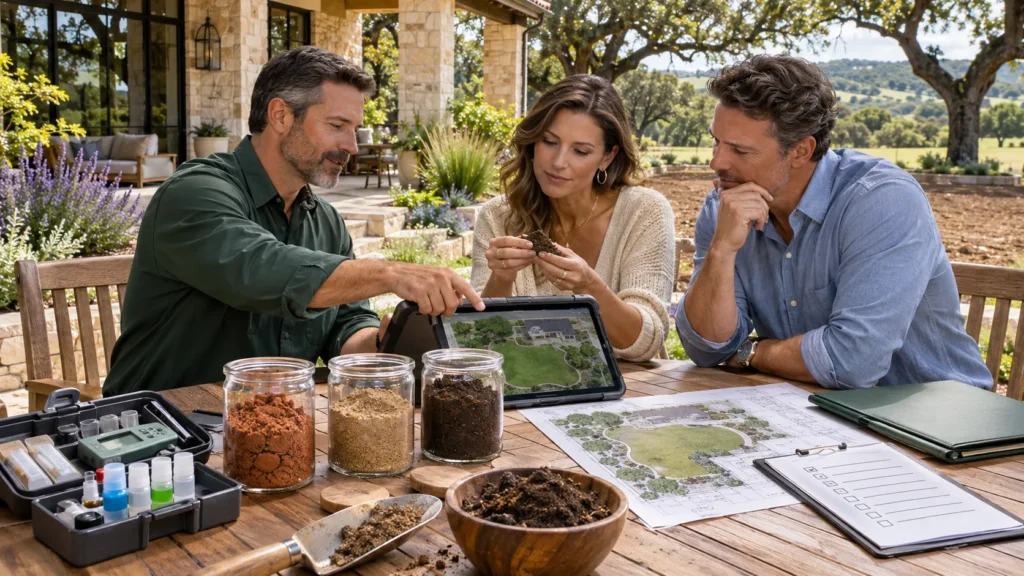
Follow the contractors instructions to support germination and early grass growth.
Preparing your yard correctly is one of the important steps in successful hydroseeding. By clearing vegetation, improving soil conditions, correcting drainage and creating a smooth surface Central Texas homeowners can provide new grass with a better environment to grow. A little extra preparation before application can help produce a more attractive lawn that is easier to maintain over time.